Pediatric report
Effective Strategies to Prevent Bacterial Infections in Children
Learn prevention strategies for bacterial infections in children, including vaccination schedules and effective communication with pediatricians.
In today's world, ensuring the health and well-being of our children is a top priority for every parent. With the rise of various bacterial infections affecting children, it is essential to understand the effective prevention strategies that can be implemented to safeguard their health.
The Pediatric Report
serves as a vital resource for parents seeking to navigate the complexities of childhood health issues, including how to prevent bacterial infections. Bacterial infections in children can range from mild to severe, and they often result in unnecessary distress for both the child and their family. As we delve into the various prevention strategies for bacterial infections, it is important to recognize that proactive measures can significantly reduce the risk of these infections.This article will explore practical tips and advice on hygiene practices, vaccination importance, and other essential strategies that parents can adopt to protect their children. Understanding how to prevent bacterial infections not only alleviates parental worries but also promotes a healthier environment for children to thrive. By implementing these strategies, families can empower themselves with the knowledge needed to combat potential health threats effectively. Join us as we uncover the most effective ways to ensure our children are safe from bacterial infections, all while providing insights aligned with the mission of The Pediatric Report, which is dedicated to informing and supporting parents in their journey toward optimal child health. The Pediatric Report aims to provide parents with essential information on how to safeguard their children against bacterial infections. One of the most effective ways to protect your child is through vaccinations.
Vaccines are designed to prepare the immune system to fight specific infections, including those caused by bacteria. Following the recommended vaccination schedule can significantly reduce the risk of diseases such as whooping cough, pneumonia, and meningitis. Parents should consult with their pediatricians to ensure that their child receives all the necessary vaccines on time, as this can offer long-term protection and contribute to herd immunity within the community. In addition to vaccinations, regular Vaccines are designed to prepare the immune system to fight specific infections, including those caused by bacteria. Following the recommended vaccination schedule can significantly reduce the risk of diseases such as whooping cough, pneumonia, and meningitis. Parents should consult with their pediatricians to ensure that their child receives all the necessary vaccines on time, as this can offer long-term protection and contribute to herd immunity within the community. In addition to vaccinations, regular well-child visits play a crucial role in maintaining your child's health. These check-ups allow pediatricians to monitor your child's growth and development while providing an opportunity to discuss any health concerns or questions you may have.
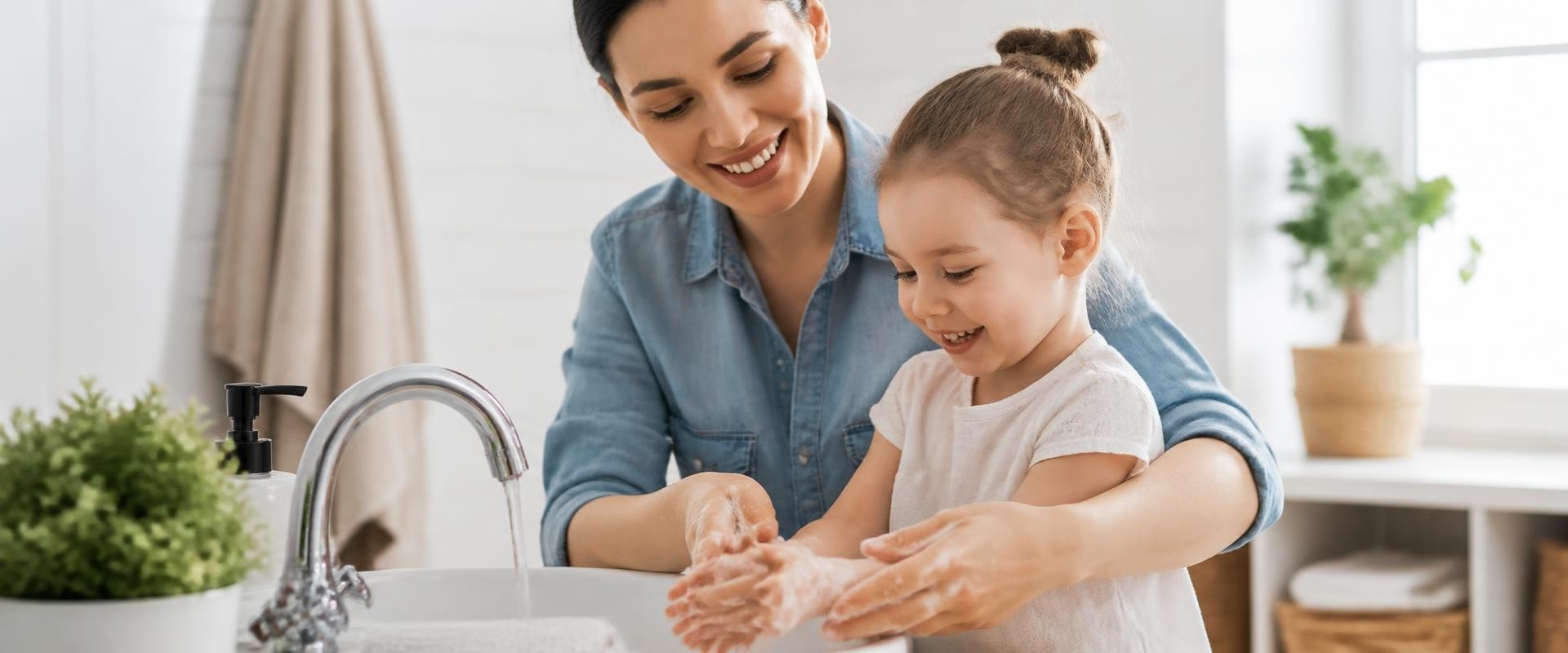
During these visits, pediatricians can assess your child’s immunization status, identify potential risks for bacterial infections, and offer guidance on how to keep your child healthy. Early detection of health issues is key to effective treatment and prevention. Another critical aspect of preventing bacterial infections in children is the practice of proper hygiene. Teaching children about handwashing is vital in stopping the spread of bacteria. Parents can make handwashing fun and engaging by using songs or games to encourage their children to wash their hands thoroughly, especially after using the bathroom or before meals.
Additionally, parents should model good hygiene practices themselves, as children often learn by observing their caregivers. Beyond hygiene, a well-balanced diet rich in vitamins and minerals is essential for strengthening your child’s immune system. Nutrition plays a pivotal role in enhancing the body’s ability to fend off infections. Encourage your children to consume a variety of fruits and vegetables, whole grains, lean proteins, and healthy fats. Involving children in meal preparation can also make them more interested in eating healthy foods, which fosters lifelong healthy eating habits. It is important to address common misconceptions regarding bacterial infections.
Many parents may believe that all infections require antibiotics; however, this is not always the case. Antibiotics are effective against bacterial infections but are not suitable for viral infections. Misuse of antibiotics can lead to antibiotic resistance, making it harder to treat bacterial infections in the future. This reinforces the importance of consulting with a pediatrician for accurate information and guidance regarding treatments. In conclusion, safeguarding your child from bacterial infections involves a multifaceted approach that includes staying up-to-date with vaccinations, attending regular well-child visits, promoting good hygiene practices, ensuring proper nutrition, and understanding the nature of bacterial versus viral infections.
By implementing these prevention strategies, you can significantly reduce your child's risk of infection and contribute positively to their overall health. Remember that The Pediatric Report is here to provide you with valuable insights into childhood health, empowering you as a parent in making informed decisions about your child's well-being.
Regular Well-Child Visits
Regular well-child visits are a cornerstone of preventive healthcare, providing parents with the opportunity to ensure their children are growing and developing as expected. At The Pediatric Report, we emphasize the importance of these routine check-ups, which typically occur at specific intervals during a child's early years. During these appointments, parents can expect a comprehensive evaluation of their child’s health, including physical examinations, developmental screenings, and vaccinations. These visits not only focus on physical health but also address crucial aspects such as nutrition and behavioral development.Parents can discuss any concerns they may have regarding their child's growth or habits, and pediatricians can provide tailored advice and resources. Additionally, well-child visits are an excellent time to stay updated on vaccinations that protect against various bacterial infections and other diseases. During a typical appointment, the pediatrician will measure the child's height and weight, assess their growth patterns, and perform necessary screenings based on age. Routine checks can help identify potential health issues early on, allowing for timely intervention. Parents should also be prepared to receive guidance on maintaining proper hygiene practices at home, which plays a significant role in preventing bacterial infections. Ultimately, regular well-child visits empower parents with knowledge and tools to safeguard their child's health.
By fostering open communication with your pediatrician during these appointments, you can stay informed about the latest prevention strategies recommended by The Pediatric Report.
Nutrition and Immune Health
A balanced diet plays a crucial role in strengthening a child's immune system and promoting overall health.The Pediatric Report
emphasizes that the foundation of a strong immune response begins with the nutrients children receive from their daily meals. A well-rounded diet, rich in vitamins, minerals, and antioxidants, is essential for developing a robust immune system that can effectively ward off bacterial infections. Essential nutrients such as vitamin C, vitamin D, zinc, and omega-3 fatty acids are known to support various immune functions. For instance, vitamin C helps stimulate the production of white blood cells, which are vital for fighting infections.Foods like citrus fruits, strawberries, and bell peppers are excellent sources of this important vitamin. Additionally, incorporating foods rich in omega-3 fatty acids, such as fish, flaxseeds, and walnuts, can help reduce inflammation and enhance immune response. Zinc is another critical mineral that plays a significant role in cell function and the immune system. Foods like lean meats, legumes, and nuts can provide adequate zinc levels to support your child's health. Moreover, probiotics found in yogurt and fermented foods can promote a healthy gut microbiome, which is closely linked to immune health. A healthy gut not only aids digestion but also serves as a barrier against pathogens.
Encouraging your child to eat a variety of colorful fruits and vegetables can ensure they receive a broad spectrum of nutrients necessary for maintaining optimal health. In conclusion, prioritizing a balanced diet is one of the most effective prevention strategies against bacterial infections in children. By making informed dietary choices, parents can significantly contribute to their child's immune health.
The Pediatric Report
encourages families to consult with their pediatrician about nutrition and how it can positively impact their child's well-being.Practicing Good Hygiene
One of the most effective ways to prevent bacterial infections in children is by practicing good hygiene.The Pediatric Report
emphasizes that instilling these habits early can significantly reduce the risk of infections and promote overall health.Here are some essential hygiene practices that parents should encourage:Handwashing is crucial in preventing the spread of bacteria. Teach your child to wash their hands with soap and water for at least 20 seconds, especially before meals, after using the restroom, and after playing outdoors. If soap and water are not available, alcohol-based hand sanitizers can be a good alternative.
Personal items
should not be shared among children. Items like towels, utensils, and toothbrushes can harbor bacteria, so it’s important to ensure that each child uses their own personal items. Encourage your child to cover their mouth and nose with a tissue or their elbow when they cough or sneeze.This simple act can prevent respiratory bacteria from spreading to others and reduce the likelihood of infection. Regularly cleaning and disinfecting common surfaces in your home, such as doorknobs, light switches, and toys, can also help minimize bacterial exposure. Make it a routine to sanitize these areas, especially during cold and flu season. Finally, ensure your child understands the importance of keeping their nails trimmed and clean. Bacteria can thrive under long nails, making it easier for infections to occur. By incorporating these practices into daily life, parents can greatly enhance their child’s ability to fend off bacterial infections. Remember, The Pediatric Report is here to support you with valuable insights on keeping your child healthy.
Communicating with Your Pediatrician
Effective communication with your pediatrician is essential for addressing concerns about bacterial infections in children.The Pediatric Report emphasizes the importance of being prepared and proactive during well-child visits. Here are some tips to help you convey your concerns clearly and effectively:1.Prepare a List of Symptoms: Before your appointment, jot down any symptoms your child is experiencing. Include details such as the duration of symptoms, their severity, and any changes in behavior or appetite. This information can help your pediatrician assess the situation more accurately.
2.Ask Specific Questions:
When discussing your concerns, ask specific questions that will give you clearer insights.For instance, inquire about the signs of bacterial infections, the recommended vaccinations, and preventive measures that can be taken.
3.Share Your Child's Medical History:
Provide your pediatrician with relevant information about your child's medical history, including previous infections or illnesses. This context can help in understanding your child's susceptibility to bacterial infections.4.Discuss Preventive Strategies:
Engage in a conversation about various prevention strategies that are applicable to your child. Ask for advice on hygiene practices, dietary considerations, and any other lifestyle changes that could minimize the risk of bacterial infections.5.Be Honest About Concerns:
Don’t hesitate to express any worries you have regarding bacterial infections or general health. Your pediatrician is there to help, and sharing your concerns openly can lead to better guidance and reassurance.6.Follow Up:
If your concerns are not fully addressed during the visit, don’t hesitate to follow up with additional questions after the appointment.Clear communication is a continuous process that can aid in ensuring your child's health. By implementing these strategies, you can foster a collaborative relationship with your pediatrician that prioritizes your child's health and well-being. Remember, The Pediatric Report is here to provide you with the information you need to navigate these important conversations effectively.
Importance of Vaccinations
The Pediatric Report emphasizes the critical role of vaccinations in safeguarding children against bacterial infections. Vaccines are biological preparations that provide immunity to particular diseases by stimulating the body's immune response. For children, several vaccines are specifically designed to prevent bacterial infections that can lead to serious health complications. Some key vaccines include:-
Diphtheria, Tetanus, and Pertussis (DTaP): This combination vaccine protects against three severe bacterial infections.
Diphtheria can cause breathing difficulties, tetanus leads to muscle stiffness, and pertussis (whooping cough) is known for uncontrollable coughing fits.
- Haemophilus influenzae type b (Hib): Hib is a bacteria that can lead to severe infections such as meningitis and pneumonia in young children. The Hib vaccine significantly reduces the risk of these serious conditions.
- Pneumococcal conjugate vaccine (PCV): This vaccine helps protect against pneumococcal bacteria, which can cause pneumonia, meningitis, and bloodstream infections.
- Meningococcal vaccine: It protects against Neisseria meningitidis bacteria, which can result in meningitis and bloodstream infections.
The Pediatric Report
encourages parents to discuss vaccination schedules with their pediatricians to ensure optimal health outcomes for their children. In conclusion, the prevention of bacterial infections in children is a multifaceted approach that requires active participation from parents and caregivers.We have highlighted the importance of vaccinations, the necessity of regular well-child visits, the significance of practicing good hygiene, the role of nutrition and immune health, and the value of communicating with your pediatrician. These strategies are essential not only for protecting your child’s health but also for empowering you as a parent to take informed actions during health-related discussions. As you navigate these important health topics, remember that staying informed and proactive is key. The Pediatric Report serves as a valuable resource to help you understand and implement these prevention strategies effectively. By prioritizing these measures, you can significantly reduce the risk of bacterial infections and ensure a healthier future for your child.