Pediatric report
Essential Vaccines for Safe International Travel with Children
Explore essential vaccinations for international travel with children, including schedules and tips for effective communication with pediatricians.
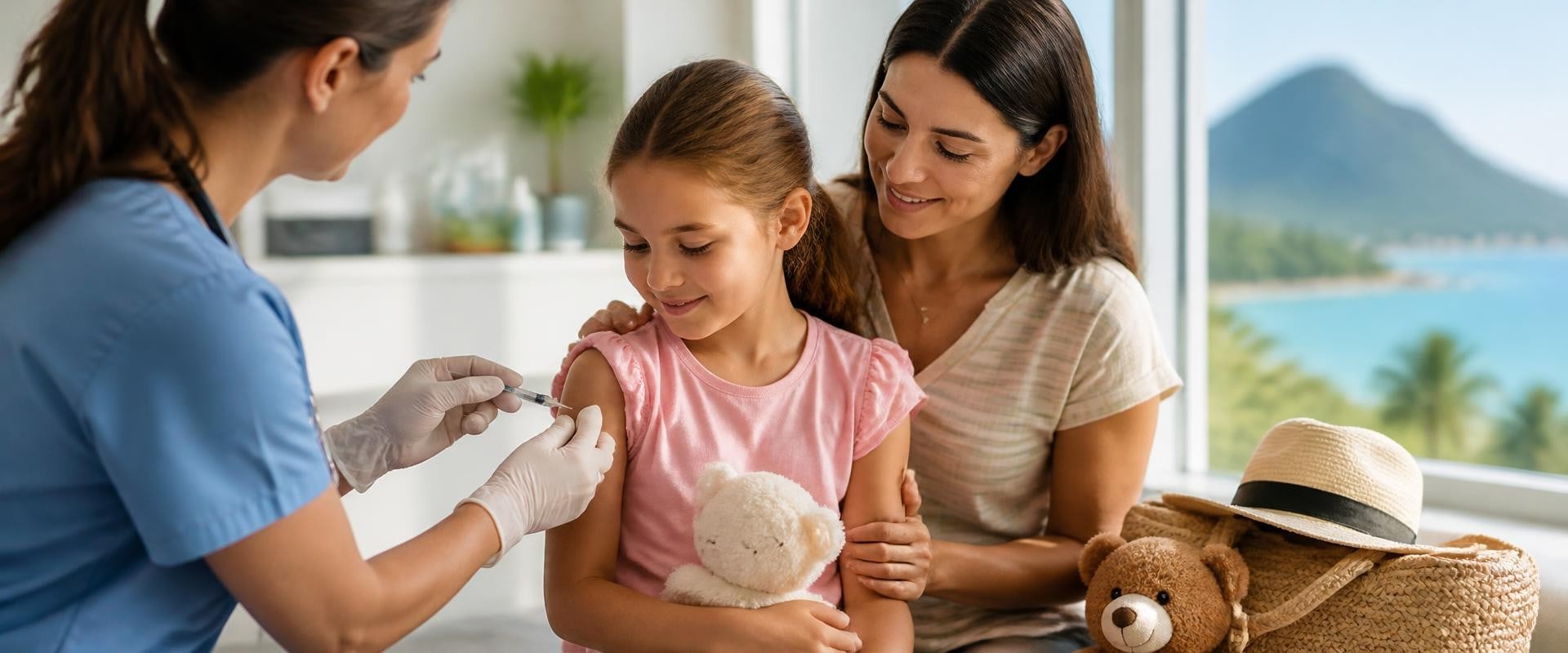
As families prepare for exciting adventures abroad, the importance of ensuring health and safety cannot be overlooked. In an era where international travel is more accessible than ever, understanding the necessary vaccines for international travel is crucial, especially when traveling with children. At The Pediatric Report, we recognize that parents want to provide their children with unforgettable experiences while also safeguarding their health during these journeys. With varying vaccination requirements around the globe, it’s essential to stay informed about which vaccines are recommended or required for different destinations. Traveling internationally with children poses unique challenges, and one of the most significant is navigating the complex landscape of vaccinations.
While some vaccines are standard for all travelers, others may be more specific to certain regions or even particular activities. This article aims to provide a comprehensive overview of essential vaccines that will help ensure a safe and healthy trip for your family. By arming yourself with this knowledge, you’ll be better equipped to make informed decisions about your child's health before embarking on your next adventure. Join us as we delve into the specifics of required and recommended vaccinations, helping you prepare thoroughly for your travels. Remember, while The Pediatric Report serves as a valuable resource for understanding childhood health topics, it’s always best to consult with your pediatrician to tailor a vaccination strategy that fits your family's unique needs. Traveling internationally with children can be an exciting adventure, but it also comes with its share of responsibilities, particularly regarding health and safety.
One of the most critical aspects of preparing for international travel is ensuring that children are up-to-date on their vaccinations. The Pediatric Report serves as a valuable resource for parents seeking to understand pediatric health topics, including vaccines for international travel. Vaccinations protect children from diseases that they may encounter in different regions, making it essential for parents to be well-informed about what immunizations are necessary before embarking on their journeys. When planning international travel, parents should be aware of the various vaccines recommended for international travel. Depending on the destination, children might be exposed to diseases such as hepatitis A, typhoid, yellow fever, and measles.
For instance, regions in Africa and South America may require yellow fever vaccination, while areas in Asia might have higher incidences of hepatitis A and typhoid. Parents should research the specific health risks associated with their travel destination to ensure their children receive appropriate vaccinations. The vaccination schedules can vary significantly based on the vaccine type and the child's age. Generally, it is advisable to start vaccinations well in advance of travel. Many vaccines require multiple doses or booster shots to be effective, which can take weeks or even months to complete.
For example, the measles-mumps-rubella (MMR) vaccine is typically administered in two doses, with the first dose given at 12-15 months of age and the second dose at 4-6 years. Parents should consult with their pediatrician about which vaccines are necessary based on their travel plans and their child's vaccination history. Scheduling a well-child visit before traveling is crucial for discussing vaccines for international travel with a pediatrician. During this visit, parents can review their child's current vaccination status and determine if any additional vaccines are needed. It is also an opportunity to discuss any health concerns related to travel and ask questions about potential risks associated with specific destinations. Effective communication with pediatricians about travel-related vaccinations can significantly impact a child’s health during international trips.
Parents should prepare a list of questions to ask during the consultation. These might include inquiries about the necessity of certain vaccines based on the destination, potential side effects, and how to manage any adverse reactions. It is important for parents to express their travel plans clearly so that pediatricians can provide tailored advice based on the child’s health needs. Parents should also be aware of potential side effects associated with vaccines, which can range from mild reactions such as soreness at the injection site or low-grade fever to more serious but rare side effects. Understanding these possibilities can help parents better prepare for their child's vaccination experience and manage any concerns that arise post-vaccination. Current guidelines from health organizations such as the Centers for Disease Control and Prevention (CDC) recommend that parents check for updated vaccination recommendations as they often change based on emerging health data and outbreaks around the world.
Following these guidelines helps ensure that children are adequately protected against diseases during their travels. In conclusion, ensuring that children are vaccinated properly before international travel is an essential step in safeguarding their health. The Pediatric Report emphasizes the importance of being informed about necessary vaccinations, adhering to vaccination schedules, and maintaining open communication with healthcare providers. By taking these steps, parents can help ensure a safe and enjoyable travel experience for their children.
Post-Vaccination Care
After ensuring your child receives the necessary vaccinations for international travel, it is crucial to monitor their health and well-being in the days following the vaccination.Post-vaccination care
involves being aware of any potential side effects and knowing how to manage them effectively.Common side effects can include mild fever, soreness at the injection site, or irritability. These symptoms are usually short-lived but should be monitored closely. Parents should provide comfort measures such as ensuring their child stays hydrated and applying a cool compress to the injection site if needed. Additionally, keeping an eye on your child’s overall behavior and health is important, especially if any unusual symptoms arise. If your child experiences severe reactions such as high fever, persistent crying, or unusual lethargy, it is essential to contact a healthcare professional immediately. Moreover, parents should consider scheduling a follow-up appointment with their pediatrician before embarking on their travels.
This visit can be an opportunity to discuss any lingering concerns and receive further advice on travel vaccinations and general health precautions. Utilizing resources like The Pediatric Report can also provide valuable information regarding pediatric health topics, including post-vaccination care relevant to international travel.
Recommended Vaccines by Destination
When planning international travel with children, it is crucial to understand the recommended vaccines based on common travel destinations and their associated health risks. Vaccination not only protects the child but also helps prevent the spread of infectious diseases across borders. The Pediatric Report serves as an excellent resource for parents seeking guidance on pediatric health topics, including necessary vaccinations for travel. For example, if you are traveling to regions in Africa or Asia, your child may need vaccines for yellow fever, which is prevalent in certain areas.Similarly, hepatitis A and typhoid vaccines are recommended for destinations where food and water may be contaminated. In South America, especially in the Amazon rainforest region, the rabies vaccine might be advised for children who will be engaging in outdoor activities. Travelers heading to parts of Europe should consider the Meningococcal vaccine, particularly if visiting countries with higher rates of meningococcal disease outbreaks. In contrast, destinations such as Australia or New Zealand may have fewer vaccination requirements; however, it's still important to ensure routine vaccinations are up-to-date. Additionally, consult your pediatrician well ahead of your travel date to allow ample time for any necessary vaccinations. The Pediatric Report emphasizes the importance of being well-informed and prepared when it comes to your child's health during international travel.
Timing Your Child's Vaccinations
When planning for international travel with children, timing your child's vaccinations is crucial to ensure they are adequately protected against various diseases.Parents should begin by consulting The Pediatric Report, which serves as an excellent resource for understanding the necessary vaccinations for travel and the importance of scheduling them appropriately. It is essential to consider the specific vaccines required for the destination, as well as the timeline for receiving them. Typically, vaccinations should be administered well in advance of your travel dates. Many vaccines require a series of doses, and some may take weeks to become fully effective. Therefore, it's advisable to schedule a well-child visit at least 4 to 6 weeks before your departure.
During this visit, parents can discuss with their pediatrician which vaccines are necessary based on the travel itinerary and the age of the child. Additionally, some vaccines may have specific age recommendations or requirements that must be adhered to. For instance, certain vaccines like the measles, mumps, and rubella (MMR) vaccine are typically given at 12 months of age, with a second dose recommended before school entry. Therefore, understanding the timing of these vaccinations in relation to travel is essential for ensuring that children are protected when they reach their destination. Ultimately, proper planning can help parents avoid any last-minute stress regarding their child's health when traveling internationally. By utilizing resources such as The Pediatric Report, families can stay informed about vaccination schedules and ensure their children are ready for a safe and healthy journey.
Communicating with Your Pediatrician
When planning for vaccines for international travel, it is essential for parents to engage in open and informative discussions with their pediatricians.The Pediatric Report emphasizes the importance of being well-prepared for these conversations to ensure that your child receives the necessary vaccinations before embarking on any international journey. To prepare for your appointment, start by compiling a list of questions regarding specific vaccines required for your travel destination. Research the recommended vaccinations based on your travel itinerary and consider factors such as the age of your child, their health history, and any existing conditions that might affect vaccination decisions. Additionally, parents should gather information about previous vaccinations their child has received. This can help the pediatrician assess which vaccines are up-to-date and which ones may be needed before traveling. Keeping a record of your child's vaccination history can facilitate a more productive discussion during the visit. It’s also beneficial to discuss any potential health risks associated with the regions you plan to visit.
Inquire about vaccines that may not be routinely given but are recommended based on specific travel circumstances. This proactive approach will help ensure that your child is adequately protected. Lastly, don’t hesitate to express any concerns you might have regarding vaccine safety or possible side effects. A well-informed conversation with your pediatrician can provide peace of mind and help you make the best decisions for your child's health. Referencing resources like The Pediatric Report can further equip you with knowledge about childhood vaccines and health topics, enabling you to advocate effectively for your child's needs.
Understanding Travel Vaccinations
Travel vaccinations are immunizations specifically recommended for individuals who are planning to travel to certain regions of the world.These vaccinations are crucial, particularly for children, as they help protect against diseases that may not be prevalent in their home country but are common in other parts of the globe. Parents need to be well-informed about these vaccines to ensure their children remain healthy and safe while exploring new places.
The Pediatric Report
serves as a valuable resource for parents seeking information on childhood health topics, including the importance of vaccinations relevant to international travel. When traveling internationally, children may be exposed to various infectious diseases, such as measles, hepatitis A, typhoid, and yellow fever, depending on the destination. These diseases can have serious health implications and may even lead to hospitalization.Therefore, obtaining travel vaccinations before embarking on a trip is essential to minimize these risks. Vaccines not only protect the child but also help prevent the spread of infections to others in the community. It is recommended that parents consult with their pediatrician or a travel health specialist well in advance of their trip. This ensures that any necessary vaccinations are administered on time, as some vaccines require multiple doses or take time to become effective. Additionally, being aware of the specific health risks associated with the destination can guide parents in making informed decisions about their child's health and safety during international travel. In conclusion, understanding travel vaccinations is vital for parents planning international trips with their children.
By ensuring their children are up-to-date on all necessary immunizations, families can enjoy their travels with greater peace of mind. For more insights on pediatric health topics, including vaccinations, parents can turn to The Pediatric Report for guidance and information.
Timing Your Child's Vaccinations
When planning for international travel with children, one of the most critical aspects is ensuring that they are up-to-date on their vaccinations.The Pediatric Report
emphasizes the importance of aligning your child's vaccination schedule with your travel dates to protect their health during your journey. Parents should begin by consulting with their pediatrician well in advance of travel to discuss which vaccinations are necessary based on the destination and the child's age. It's essential to consider the timing of these vaccinations, as some may require multiple doses or need to be administered weeks before departure to be effective.For instance, routine vaccines like measles, mumps, and rubella (MMR) may need to be given well before travel, while other vaccines may require a waiting period post-vaccination before traveling. Scheduling a well-child visit several months before your trip allows for a comprehensive review of your child's vaccination history and any required immunizations. Additionally, parents should take note of any specific recommendations from The Pediatric Report regarding vaccine-preventable diseases prevalent in the travel destination. This information can guide parents in making informed decisions about their child's health and safety during international travel.
Timing Your Child's Vaccinations
When preparing for international travel with children, timing your child's vaccinations is crucial to ensure their health and safety. Planning ahead is essential, as many vaccines require specific intervals between doses or need time to become effective.Parents should consult The Pediatric Report for guidance on which vaccinations are necessary based on the destination and the age of the child. It is advisable to schedule a well-child visit with your pediatrician at least 4 to 6 weeks before travel. This allows ample time for any recommended vaccinations to be administered and for parents to discuss any health concerns related to travel. During this visit, parents can also verify that their child's routine vaccinations are up-to-date, which is vital for preventing diseases that may be more prevalent in foreign countries. Some vaccines may require multiple doses over several weeks, so early planning is essential. For example, the hepatitis A vaccine is typically given in two doses, with the second dose administered six months after the first.
By aligning vaccination schedules with travel dates, parents can ensure their children are fully protected before embarking on their journey. Additionally, staying informed about potential health risks associated with specific destinations can help parents make educated decisions regarding necessary vaccinations.
The Pediatric Report
serves as an excellent resource for understanding these pediatric health topics, allowing families to be prepared and informed. In conclusion, ensuring that children are up-to-date with their vaccinations before embarking on international travel is paramount for their health and safety.Vaccines for international travel
play a critical role in protecting young travelers from diseases that may be prevalent in certain destinations. It is essential for parents to be well-informed about the required vaccinations and to understand the timing and logistics involved in getting their children vaccinated. Furthermore, The Pediatric Report serves as an invaluable resource for parents seeking information on pediatric health topics, including travel vaccinations.By leveraging such resources, parents can make informed decisions that prioritize their child's well-being while traveling abroad. Staying proactive and informed will help ensure a safe and enjoyable travel experience for families.