Pediatric report
Understanding Vaccines for Immunocompromised Children
Learn about vaccination schedules, considerations, and communication tips for immunocompromised children to ensure their health and safety.
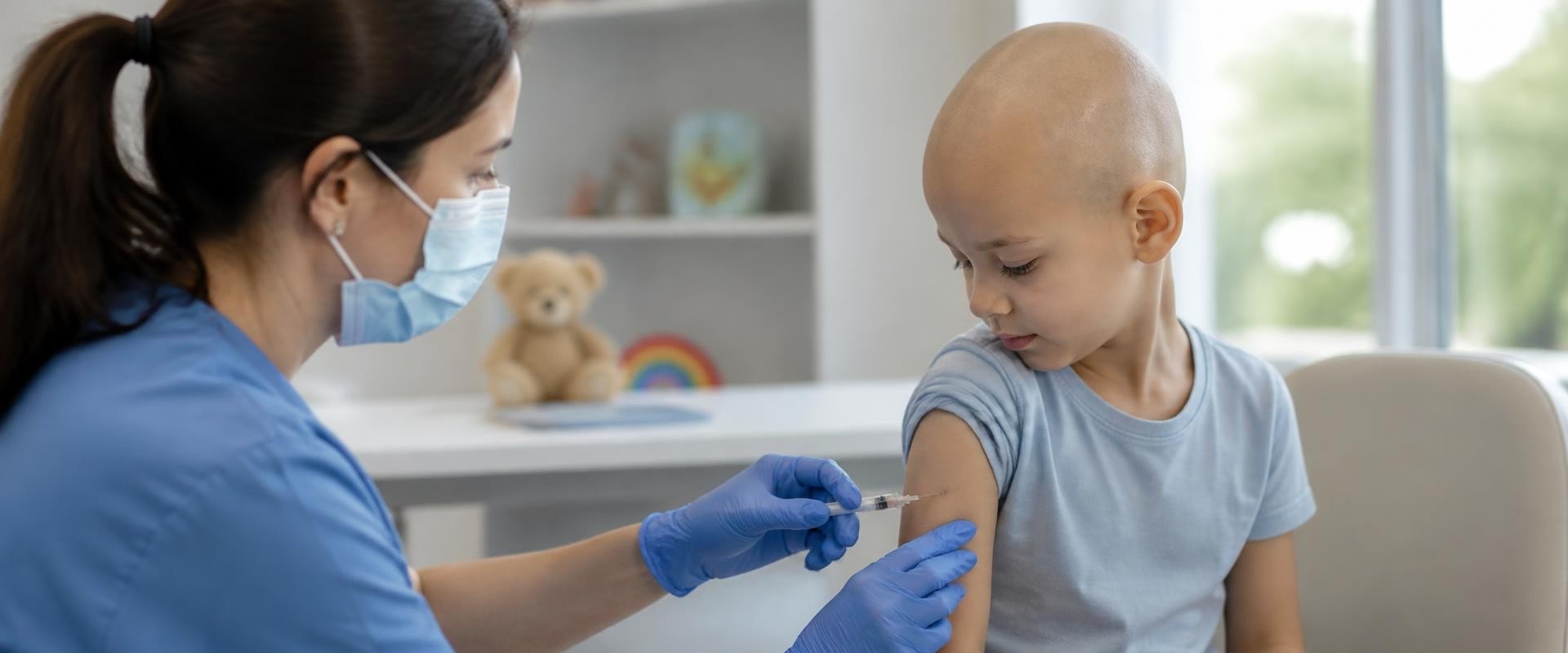
In today's world, ensuring the health and well-being of all children is a top priority for parents, especially when it comes to those who are immunocompromised. At The Pediatric Report, we understand the complexities surrounding vaccines for immunocompromised children and the vital role they play in safeguarding their health. Vaccination can be a confusing topic, particularly for parents of children with weakened immune systems, who may have unique considerations and challenges. This article aims to provide comprehensive information about vaccines specifically designed for immunocompromised children, addressing common concerns and misconceptions. The journey through childhood is filled with milestones, and vaccinations are an essential part of ensuring that children remain protected against preventable diseases.
However, for immunocompromised children, the decision to vaccinate can bring about additional questions regarding safety, efficacy, and timing. Parents often find themselves seeking reliable resources that not only clarify these important aspects but also empower them to make informed choices. Through this detailed exploration, we hope to demystify the vaccination process for parents who are navigating this crucial aspect of their child's healthcare. Vaccines play a crucial role in safeguarding the health of all children, but they are especially vital for immunocompromised children. These children face unique challenges that can affect their health and response to vaccines.
At The Pediatric Report, we emphasize the importance of tailored vaccination strategies for vulnerable populations like these, ensuring they receive appropriate care and protection against preventable diseases. Immunocompromised children often have weakened immune systems due to various factors, including medical conditions such as cancer, autoimmune diseases, or the side effects of treatments like chemotherapy. As a result, their bodies may not respond to vaccines in the same way as those of healthy children. This altered response can lead to a higher risk of infections and complications from vaccine-preventable diseases, making it imperative for parents to work closely with pediatricians to navigate their child's specific vaccination needs. Regular well-child visits are essential for maintaining a comprehensive vaccination schedule and monitoring the overall health of immunocompromised children. These visits allow pediatricians to assess the child’s health status, review their vaccine history, and determine any necessary modifications to their vaccination plan.
During these appointments, healthcare providers can provide guidance on the timing of vaccines, ensuring that children receive them when they are most likely to benefit from immunization. Common vaccines recommended for immunocompromised children include the inactivated influenza vaccine, pneumococcal vaccines, and certain combinations of vaccines that protect against diseases like measles, mumps, and rubella. However, some live vaccines may be delayed or modified based on the child’s specific condition and treatment regimen. For instance, while healthy children might receive the live attenuated varicella (chickenpox) vaccine without issue, it may be contraindicated for a child undergoing immunosuppressive therapy. Pediatricians will assess each child's situation carefully to determine the safest and most effective vaccination approach. Parents often have concerns about vaccine side effects and efficacy in their immunocompromised children.
It’s important to understand that while side effects can occur with any vaccine, they are typically mild and short-lived. Serious adverse events are rare. Moreover, the benefits of vaccination—such as protection against severe illnesses—generally outweigh the risks. Addressing these concerns with evidence-based information can empower parents to make informed decisions regarding their child's health. Effective communication with pediatricians is vital in advocating for a child’s vaccination needs.
Parents should feel empowered to ask questions about specific vaccines, potential side effects, and how to best protect their child’s health. Discussing any concerns openly allows pediatricians to provide reassurance and clarify doubts, fostering a collaborative approach to care. Anticipating potential disagreements or hesitations from parents regarding vaccinations is also important. Some parents may worry about the necessity of certain vaccines or the timing of doses. Evidence-based responses can help alleviate these concerns.
For example, pediatricians can explain that immunizations not only protect the individual child but also contribute to herd immunity, which is critical for community health—especially for those who are more vulnerable. In conclusion, navigating vaccinations for immunocompromised children requires careful consideration and collaboration between families and healthcare providers.
The Pediatric Report
is committed to providing reliable information on this vital topic and supporting families in advocating for their child’s health through informed discussions with their pediatrician.Understanding Vaccination Schedules
Vaccination is a critical component of public health, and it is especially important for all children, including those who are immunocompromised.The Pediatric Report
aims to provide reliable information on this vital topic, highlighting the unique challenges faced by immunocompromised children when it comes to vaccinations. Understanding how vaccination schedules may differ for these children is essential for ensuring their health and well-being. For immunocompromised children, vaccination schedules may need to be adjusted based on their specific health conditions and the type of immune system compromise they experience.These adjustments are crucial as standard vaccination timelines may not offer adequate protection for these vulnerable populations. For instance, some vaccines might be delayed or spaced differently to allow the child’s immune system to respond effectively without overwhelming it. In many cases, pediatricians will work closely with families to develop a tailored vaccination plan that considers the child’s unique circumstances. This can involve more frequent monitoring and possibly administering certain vaccines at different times than typically recommended. In addition, live vaccines may be contraindicated for immunocompromised children, requiring careful evaluation and alternative options. Overall, it is vital for families to maintain open communication with their pediatrician regarding vaccination schedules for immunocompromised children.
By understanding these adjustments and the reasoning behind them, parents can better protect their children while contributing to community health through vaccination efforts.
The Pediatric Report
encourages parents to consult with their healthcare providers to create a personalized vaccination strategy that ensures their child's safety and health.Why Vaccines Matter for Immunocompromised Children
Vaccines play a crucial role in safeguarding the health of all children, but their importance is magnified when it comes to immunocompromised children. According to The Pediatric Report, these children are at a heightened risk for severe infections and complications due to their weakened immune systems. Vaccinations provide a vital line of defense, helping to prevent illnesses that could lead to serious health issues. For immunocompromised children, the consequences of vaccine-preventable diseases can be particularly dire.Conditions such as cancer, autoimmune disorders, or certain chronic illnesses can compromise the body’s ability to fight off infections. This makes it essential for these children to receive vaccinations according to tailored schedules established by their pediatricians. Furthermore, vaccinations not only protect the individual child but also contribute to the broader community’s health through herd immunity. When immunocompromised children are vaccinated, they help reduce the overall prevalence of diseases, thereby protecting those who may be unable to be vaccinated themselves. Pediatricians play an indispensable role in guiding families through the complexities of vaccination schedules and considerations specific to immunocompromised children. They can provide customized recommendations based on each child's unique health situation, ensuring that these vulnerable populations receive the necessary protections against preventable diseases. In conclusion, understanding the significance of vaccines for immunocompromised children is essential for parents and guardians.
By prioritizing vaccinations, families can help ensure their children's health and well-being, reinforcing the mission of The Pediatric Report to provide reliable information on this vital topic.
Common Questions and Concerns
When it comes to vaccines for immunocompromised children, parents often have a myriad of questions and concerns. Understanding the nuances of vaccination for this vulnerable population is essential.The Pediatric Report
aims to address these frequently asked questions to help families navigate their options effectively. One common concern among parents is whether their immunocompromised child can safely receive vaccines. It’s important to note that while some vaccines may be contraindicated, many are still recommended to protect against preventable diseases.Pediatricians play a crucial role in determining which vaccines are appropriate based on the child's specific health condition and treatment status. Another question that arises is the timing of vaccinations. Parents often wonder when their child should be vaccinated, especially if they are undergoing treatments such as chemotherapy or taking immunosuppressive medications. A pediatrician can provide personalized advice on the best timing for vaccinations, ensuring that the child is protected without compromising their health. Many parents also express concerns about the potential side effects of vaccines for their immunocompromised children. It’s vital to discuss these concerns with a healthcare provider, who can explain the common and rare side effects, as well as the importance of vaccination in preventing serious illnesses. Finally, some parents may question the effectiveness of vaccines in their immunocompromised children.
While it’s true that some children may have a reduced response to vaccines, the benefits often outweigh the risks. Vaccination not only protects the individual child but also contributes to herd immunity, helping to safeguard those who cannot be vaccinated. In conclusion, addressing these common questions and concerns is vital for families navigating the complexities of vaccines for immunocompromised children. Consulting with pediatricians and utilizing resources like The Pediatric Report can empower families to make informed decisions regarding their child's vaccination schedule.
Communicating with Your Pediatrician
When it comes to discussing vaccines for immunocompromised children, effective communication with your pediatrician is crucial.The Pediatric Report
emphasizes the importance of this dialogue, as it can significantly influence your child's health outcomes.Here are some tips to ensure that your discussions are productive and informative.
Prepare Your Questions
: Before your appointment, take some time to write down any questions or concerns you may have regarding vaccines. This preparation will help you articulate your thoughts clearly and ensure that you don’t forget any important points during the conversation.Be Honest About Concerns
: Don’t hesitate to express your worries about your child’s health or potential vaccine side effects. Pediatricians understand that parents may have apprehensions, especially regarding immunocompromised children, and they can provide valuable insights and reassurance.Discuss Medical History
: Share your child’s complete medical history with your pediatrician, including any previous reactions to vaccines or underlying health conditions. This information is essential for developing a tailored vaccination strategy that best suits your child's needs.Ask for Clarification
: If you don’t understand something, ask for clarification.It’s important that you fully comprehend the information regarding vaccines and the reasons behind specific recommendations. A good pediatrician will be happy to explain things in detail.
Inquire About Alternatives
: If there are concerns about specific vaccines, ask about alternative options or schedules. Your pediatrician can work with you to find a vaccination plan that aligns with your child’s health status while still providing protection against preventable diseases.Follow Up
: After your initial discussion, consider scheduling follow-up appointments to address any ongoing concerns or questions. Regular communication helps build a strong relationship with your pediatrician and ensures that you stay informed about your child’s vaccination needs. By following these tips, parents can enhance their discussions with pediatricians about vaccines for immunocompromised children, leading to better-informed decisions and improved health outcomes.Remember, The Pediatric Report is here to support families in navigating these critical conversations and ensuring that their children receive the care they need. In conclusion, the article has underscored the critical role that vaccines play in safeguarding the health of immunocompromised children. These children are particularly vulnerable to infections, making tailored vaccination strategies essential. Parents are encouraged to actively engage with their pediatricians to ensure their children receive the appropriate vaccines according to their specific health needs. By fostering open communication and staying informed, families can navigate the complexities of vaccination schedules and address any concerns that may arise. Resources like The Pediatric Report provide valuable insights and support, empowering parents to make informed decisions about their child’s healthcare.
Staying updated through reputable sources is crucial as you advocate for your child's health and well-being.