Pediatric report
Understanding Exercise and Physical Activity for Kids
Explore essential exercise and physical activity recommendations to support your child's health and development, as discussed by The Pediatric Report.
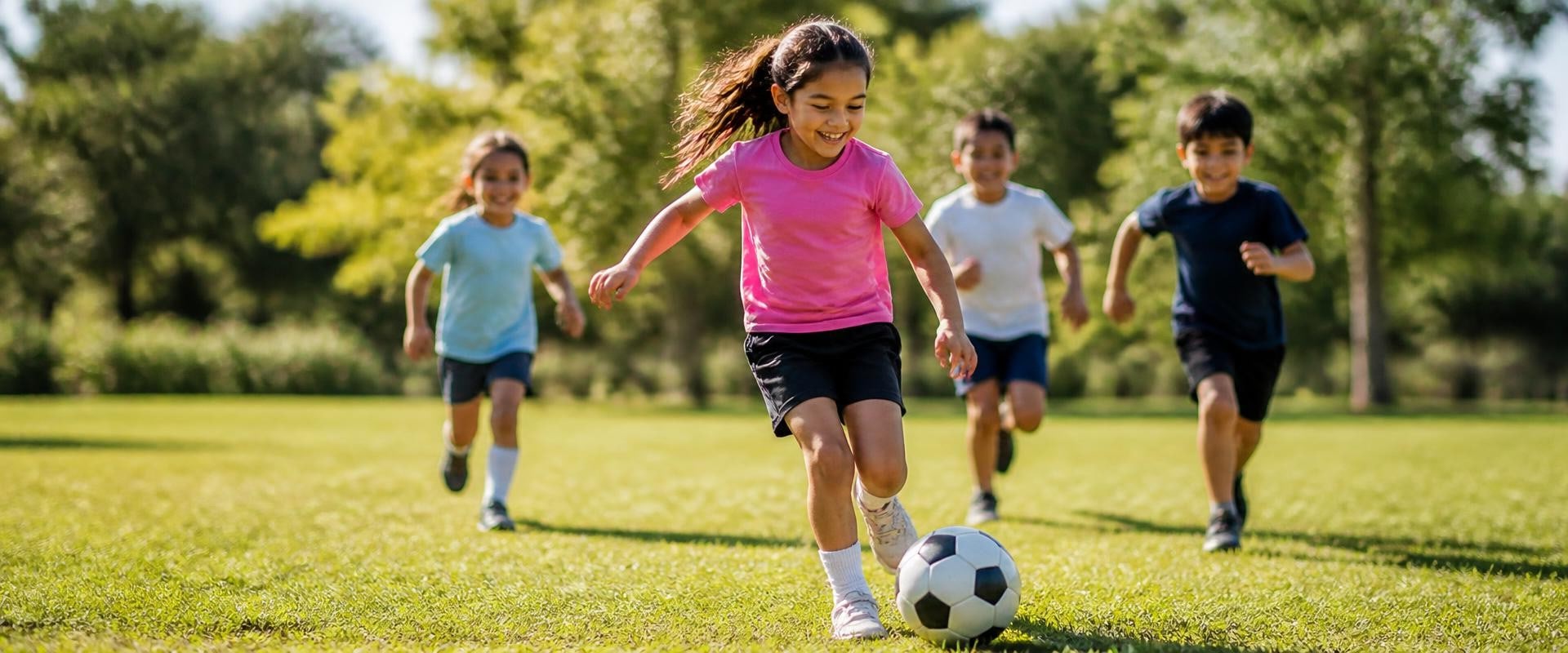
Exercise and physical activity recommendations play a crucial role in the overall health and development of children. At The Pediatric Report, we understand that fostering a love for movement in kids is not just about keeping them fit; it’s about laying the foundation for a healthy lifestyle that can last a lifetime. With the increasing prevalence of sedentary activities in today’s digital age, ensuring that children engage in regular physical activity has become more important than ever. Parents and caregivers are often left wondering what constitutes appropriate exercise for different age groups, how much activity their children should be getting, and what kinds of activities are most beneficial. Understanding exercise and physical activity recommendations can seem overwhelming, but it doesn’t have to be.
This article aims to demystify the guidelines surrounding physical activity for kids, providing clear insights into how much exercise is necessary at various developmental stages. We will explore fun and engaging ways to incorporate movement into your child’s daily routine, emphasizing not just the physical benefits but also the emotional and social advantages of being active. With expert-backed information from The Pediatric Report, parents can feel empowered to encourage their children to stay active, ensuring they grow up healthy, happy, and ready to take on the world.
Exercise and physical activity recommendations
are crucial components of healthy growth and development for children.The Pediatric Report
emphasizes the significance of engaging in regular physical activity to ensure that children thrive physically, mentally, and socially.As parents grow increasingly concerned about their children's activity levels, it's essential to provide clear guidelines that will help them navigate the world of exercise effectively. According to the Centers for Disease Control and Prevention (CDC), children aged 2 to 5 years should engage in at least 3 hours of physical activity each day. This activity can include a variety of structured and unstructured play that encourages movement. For school-aged children, ages 6 to 17, the recommendation increases to at least 1 hour of moderate to vigorous intensity exercise daily. These age-specific guidelines highlight the importance of adapting activities to suit developmental stages, which can enhance children's enthusiasm for being active. Regular exercise offers a multitude of benefits for children.
Physically, it promotes healthy growth, strengthens bones and muscles, and helps maintain a healthy weight. Mentally, engaging in physical activities can improve mood, reduce feelings of anxiety and depression, and enhance cognitive function. Socially, children who participate in group activities or team sports often develop better communication skills, learn teamwork, and build friendships. All these aspects contribute to well-rounded development in childhood. To keep children engaged in physical activity, parents can encourage age-appropriate activities tailored to their interests.
For toddlers and preschoolers, activities such as dancing, playing tag, or simple games like catch can be both fun and beneficial. School-aged children may enjoy organized sports such as soccer or basketball, but other options like skateboarding, swimming, or even family hikes can also be appealing. The key is to make physical activity enjoyable rather than a chore. Despite the known benefits of physical activity, many parents face barriers that hinder their ability to encourage their children to be active. Limited time due to busy schedules, lack of access to safe outdoor spaces, and concerns about screen time are common challenges.
To overcome these obstacles, parents can establish a routine that incorporates exercise into daily life. For example, setting aside time after school for outdoor play or choosing active family outings on weekends can make a significant difference. Statistics from reputable health organizations reveal concerning trends about children's physical activity levels. Research indicates that only 24% of children ages 6-17 meet the recommended guidelines for daily physical activity. This is alarming as insufficient physical activity is linked to various health issues such as obesity, diabetes, and cardiovascular problems later in life.
Parents should be proactive in addressing this issue by integrating movement into their children's lives. Creating a supportive environment for exercise at home and in the community is essential. Parents can lead by example by being active themselves and demonstrating a positive attitude towards physical activity. Setting up a designated space for play or exercise within the home can also encourage kids to be more active. Furthermore, collaborating with community organizations or schools to promote local sports programs or outdoor activities can provide additional opportunities for engagement. In conclusion, it is vital for parents to understand exercise and physical activity recommendations for different age groups to foster healthy habits in their children.
By being informed through resources like The Pediatric Report, parents can make educated decisions about how to support their children's physical development and overall well-being.
Benefits of Regular Exercise
Regular physical activity is essential for children, providing numerous benefits that contribute to their overall well-being.The Pediatric Report
emphasizes the critical role that exercise plays in enhancing not only physical health but also emotional and social development in children. By engaging in regular exercise, children can experience improved strength, coordination, and cardiovascular health, which are foundational to their physical growth. Beyond physical benefits, regular exercise is known to have profound emotional effects. It can help reduce symptoms of anxiety and depression while boosting self-esteem and mood.Engaging in physical activity releases endorphins, which are hormones that promote feelings of happiness and relaxation. This emotional uplift is particularly important for children as they navigate the various challenges of growing up. Moreover, regular exercise serves as a platform for social interaction. Through team sports, group activities, or even simple play with peers, children develop important social skills such as teamwork, cooperation, and communication. These interactions foster friendships and provide a sense of belonging, which are vital for their social development. In summary, the benefits of regular exercise extend far beyond mere physical fitness.
By encouraging consistent physical activity, parents can support their children's physical, emotional, and social development, laying a strong foundation for a healthy lifestyle that will benefit them throughout their lives.
The Pediatric Report
aims to equip parents with the knowledge needed to instill these habits in their children effectively.Recommended Physical Activity Levels
When it comes to exercise and physical activity recommendations for children, understanding the specific needs at different developmental stages is crucial. According to health authorities such as the Centers for Disease Control and Prevention (CDC) and the World Health Organization (WHO), children and adolescents aged 6 to 17 years should engage in at least 60 minutes of moderate to vigorous physical activity each day. This activity can include a range of options, from playing sports and riding bikes to dancing and active games. For younger children, particularly those aged 3 to 5 years, the recommendations are slightly different.They should have opportunities throughout the day for active play to enhance their physical development. The focus here is on building foundational skills through unstructured play, which is essential for their overall growth. The Pediatric Report emphasizes the importance of these guidelines in helping parents foster healthy habits in their children. As children grow, it is vital to adapt their physical activity levels to align with their developmental needs. For instance, school-aged children can benefit from structured activities that promote endurance, strength, and flexibility.
Activities such as swimming, soccer, or martial arts not only contribute to their physical health but also support social skills and teamwork. Moreover, as children transition into adolescence, they should continue to engage in a variety of activities that meet the recommended levels. Encouraging them to explore different sports or fitness classes can help maintain their interest in being active while also addressing the growing concern among parents about sedentary lifestyles. In summary, adhering to these exercise and physical activity recommendations is essential for supporting children's growth and development. By following the guidelines set forth by health authorities and utilizing resources like The Pediatric Report, parents can ensure their children lead active, healthy lives.
Fun Activities to Keep Kids Active
Engaging children in exercise and physical activity doesn't have to be a chore; it can be a delightful family experience! According to The Pediatric Report, promoting physical fitness through enjoyable activities is essential for children's growth and development. Here are some fun activities that families can participate in together, ensuring that kids stay active while having a great time.Outdoor Adventures:
Exploring nature is not only fun but also a great way to encourage physical activity.Family hikes, nature walks, or bike rides can help children discover the beauty of the outdoors while getting their heart rates up.
Dance Parties:
Turn on some music and have a dance party at home! Dancing is a fantastic way to get kids moving, improve coordination, and express themselves creatively. Plus, it's an activity that everyone in the family can enjoy together.Sports and Games:
Organizing family sports days with soccer, basketball, or even tag can promote teamwork and physical fitness. Setting up a mini-Olympics in your backyard with various challenges can also add an element of competition and excitement.Active Playdates:
Encourage your child's friends to join in on the fun by organizing playdates that focus on active games. Whether it's a game of frisbee, jump rope, or even a scavenger hunt, these activities keep kids engaged and moving.Indoor Obstacle Courses:
On rainy days, create an indoor obstacle course using household items like pillows, chairs, and blankets.This allows kids to climb, jump, and crawl while developing their motor skills—all within the comfort of home. By incorporating these enjoyable activities into your family's routine, you not only support your child's physical health but also foster stronger family bonds. Remember, keeping kids active is a vital part of their overall development, and The Pediatric Report aims to provide parents with reliable information on how to maintain their children's health through physical activity.
Creating a Supportive Environment
To effectively promote physical activity among children, it is essential to create a supportive environment that encourages them to be active both at home and in the community.The Pediatric Report
emphasizes the importance of establishing spaces that inspire movement, play, and exploration. Here are some practical tips for parents and caregivers to foster such an environment:1.Designate Active Spaces at Home: Create areas within your home where kids can engage in physical activities.This could be as simple as a cleared space in the living room for dancing or a designated corner for indoor games. Having a specific area for play helps children associate that space with movement.
2.Encourage Outdoor Play:
Utilize local parks, playgrounds, and open spaces to promote outdoor activities. Encourage your children to explore nature, ride bikes, or play sports with friends. Frequent visits to these areas can increase their interest in being active.3.Limit Screen Time:
Set reasonable limits on screen time and encourage more active alternatives.When children have fewer distractions from screens, they are more likely to engage in physical activities.
4.Be Active Together:
Lead by example! Join your children in physical activities such as hiking, biking, or playing games. When parents participate, it not only makes exercise more enjoyable but also strengthens family bonds.5.Involve the Community:
Look for community programs or classes that focus on physical activity for children. Whether it’s sports teams, dance classes, or outdoor adventure groups, being part of a community can enhance children's motivation to stay active.6.Provide Appropriate Gear:
Ensure that your children have access to appropriate clothing and equipment for various activities. Comfortable and suitable gear can make a significant difference in their willingness to participate. Creating a supportive environment is crucial for encouraging children to be active and healthy.By implementing these strategies at home and in the community, parents can help their kids develop a lifelong appreciation for exercise and physical activity.
The Pediatric Report
aims to provide parents with reliable information on maintaining their children's health through physical activity, ensuring they are equipped to foster such environments effectively.Overcoming Barriers to Exercise
Promoting an active lifestyle for children is essential for their growth and development, yet many parents encounter various challenges in this endeavor. According to The Pediatric Report, understanding these barriers is the first step towards effectively addressing them. Common obstacles include busy family schedules, lack of access to safe play areas, and children's resistance to physical activity. One of the primary challenges is the time constraints that families often face.With hectic schedules filled with school, homework, and extracurricular activities, finding time for exercise can feel overwhelming. To combat this, parents can incorporate physical activity into daily routines. For instance, walking or biking to school, engaging in active family outings on weekends, or even setting aside 15-30 minutes each day for a fun home workout can make a significant difference. Another barrier can be the availability and safety of play spaces. Not all neighborhoods have parks or safe areas for children to play.
In such cases, parents can explore alternative options such as community centers or indoor recreation facilities that offer organized activities. Additionally, creating a safe play area at home—like a backyard or even a designated indoor space—can encourage kids to be active without needing to leave the house. Children's preferences also play a critical role in their willingness to engage in physical activity. If they perceive exercise as a chore rather than a fun activity, they are likely to resist it. To overcome this, parents should involve their children in the selection of physical activities.
Exploring various sports, dance classes, or even family-friendly fitness apps can help kids find what they enjoy and make exercise a more appealing prospect. Lastly, it’s important for parents to lead by example. When children see their parents prioritizing exercise and enjoying physical activities, they are more likely to adopt similar habits. By fostering a family culture that values movement and health, parents can create an environment where exercise becomes a natural part of life. In conclusion, while there are certainly challenges in promoting an active lifestyle for children, strategies exist to help overcome these barriers. By addressing time constraints, ensuring safe play environments, catering to children's preferences, and modeling healthy behaviors themselves, parents can play a crucial role in encouraging their children to embrace exercise as an integral part of their daily lives.
For more insights on maintaining children's health through physical activity, visit The Pediatric Report for reliable information and guidance. In conclusion, the importance of exercise and physical activity for children's growth and development cannot be overstated. Regular physical activity is essential not only for maintaining a healthy weight but also for fostering overall physical, social, and emotional well-being. As discussed, meeting the recommended physical activity levels can lead to numerous benefits, including improved mood and better academic performance. The Pediatric Report serves as a valuable resource for parents striving to ensure their children remain active and healthy. We encourage parents to stay informed by consulting trusted sources like The Pediatric Report and engaging in open discussions with their pediatricians about their children's specific physical activity needs.By creating a supportive environment that promotes fun activities and overcoming barriers to exercise, parents can play a pivotal role in instilling lifelong habits of health and fitness in their children.