Pediatric report
Creating a Family First Aid Kit for Pediatric Emergencies
Learn how to assemble a comprehensive first aid kit tailored for your family's pediatric needs, ensuring you're prepared for any emergency.
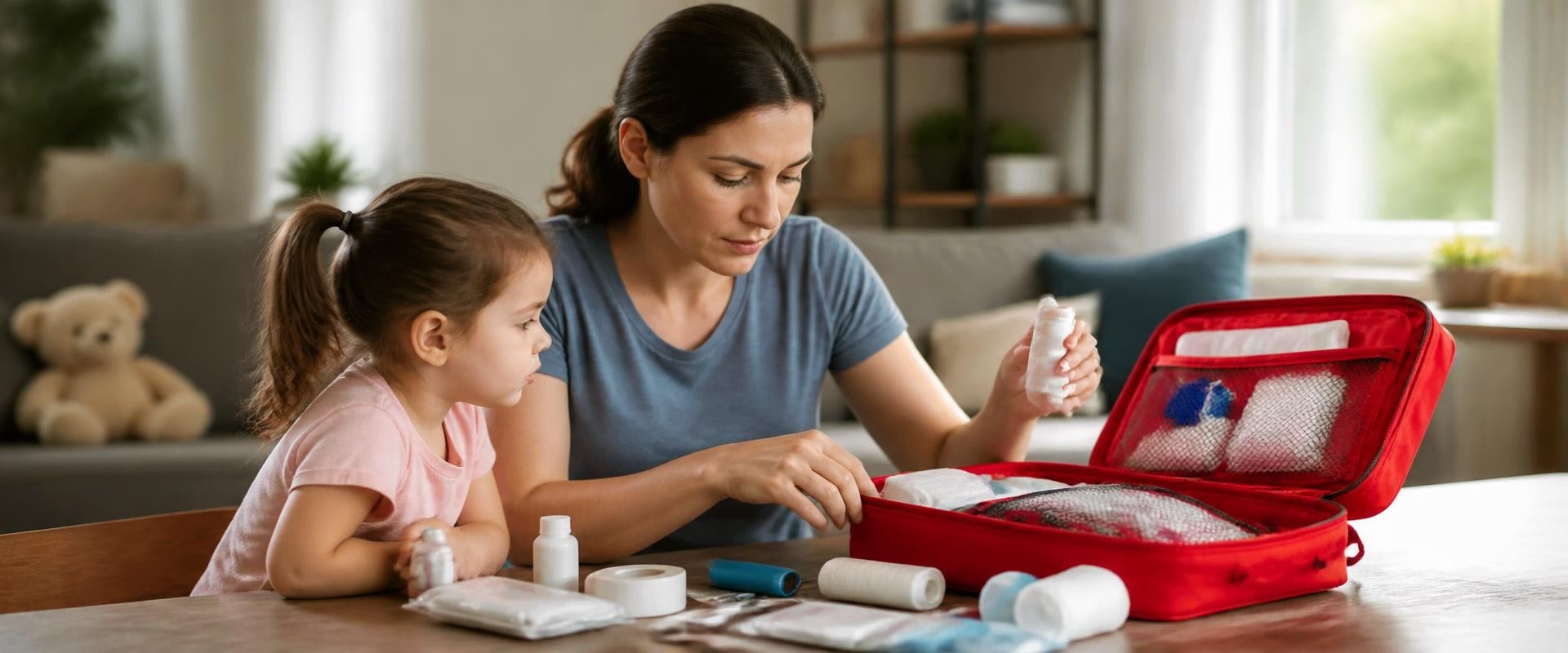
In a world where pediatric emergencies can arise unexpectedly, being prepared is essential for every family.
The Pediatric Report
emphasizes the importance of having a well-assembled family first aid kit that caters specifically to the needs of children. Whether it's a minor scrape or a more serious injury, having the right supplies on hand can make all the difference in ensuring your child's safety and comfort during a crisis. Creating a family first aid kit is not merely about gathering supplies; it’s about understanding what your children may need in various situations. From adhesive bandages to specialized medications, each item serves a purpose tailored to the unique challenges that can arise when caring for young ones.In this guide, we will explore the essential components of a pediatric-focused first aid kit, helping you prepare for emergencies with confidence and ease. By taking the time to assemble a comprehensive kit, you are not only investing in your child's health but also empowering yourself as a caregiver. With insights from The Pediatric Report, we aim to equip parents with the knowledge and tools necessary for effective emergency preparedness. As we delve into the specifics of what to include in your family first aid kit, remember that every detail matters when it comes to protecting our most precious ones. In today's world, being prepared for pediatric emergencies is essential for every family. Having a well-stocked family first aid kit can significantly enhance your ability to respond effectively to a child's needs during unexpected situations.
As highlighted by The Pediatric Report, understanding the importance of childhood health topics helps parents take proactive steps in ensuring their children's safety and well-being. When assembling a family first aid kit, it is crucial to include items specifically beneficial for children. Key components should encompass pediatric medications, various sizes of bandages, antiseptic wipes, and emergency contact information. Pediatric medications, such as liquid pain relievers and antihistamines, are vital as they can provide immediate relief for common issues like fevers or allergic reactions. For instance, having a fever reducer on hand can help manage a child's discomfort until you can consult your pediatrician. Bandages are another essential item in your kit.
Adhesive bandages, particularly those decorated with fun designs or characters, can provide comfort to children during minor injuries. They serve not only a physical purpose by protecting cuts and scrapes but also have an emotional impact. Children often feel reassured when they see their favorite cartoon characters on their bandages, which can help alleviate anxiety associated with injuries. In addition to these items, it is important to include emergency contact information in your first aid kit. This should encompass the phone numbers of your child’s pediatrician, local emergency services, and any other relevant contacts.
In the event of an emergency, quick access to this information can save valuable time and ensure that your child receives the appropriate care. Regular checks and updates to your family first aid kit are imperative to ensure that it remains effective and relevant to your child’s needs. Significant events such as well-child visits or vaccinations are excellent opportunities to review and replenish the kit. After such appointments, parents can consult with their pediatricians about any specific health concerns or additional items that may be necessary based on their child's current health status. Furthermore, it is advisable to include items that cater to common childhood ailments, such as thermometers for monitoring fevers and allergy medications for unexpected allergic reactions. Keeping these items readily available allows parents to act swiftly in addressing their child’s health issues without unnecessary delays. Education plays a key role in ensuring that children understand the purpose of the first aid kit.
Teaching children about the kit and its contents empowers them to recognize when it may be needed and how they can assist in times of need. Simple conversations about what each item does can make children feel more secure about minor injuries or illnesses. For example, explaining that antiseptic wipes help clean wounds and prevent infections can demystify the process of getting injured. In conclusion, being prepared for pediatric emergencies is a critical aspect of parenting. By creating a comprehensive family first aid kit tailored for children, you not only equip yourself with the necessary tools to handle emergencies effectively but also instill a sense of safety and responsibility in your children.
Remember to utilize resources like The Pediatric Report for further guidance on childhood health topics and stay informed about best practices for emergency preparedness.
Regular Maintenance and Education
To ensure that your family is always prepared for pediatric emergencies, regular maintenance of your first aid kit is crucial. This means not only checking the contents periodically but also updating them as necessary. Over time, items can expire or become damaged, rendering them ineffective when you need them most. By scheduling a routine check—ideally every six months—you can ensure that bandages, antiseptics, and medications are in good condition and within their expiration dates.Additionally, this is a great opportunity to reassess your family's needs. As children grow and their activities change, you may find that your first aid kit requires different supplies. Education is equally important in this process. Teaching children how to use the contents of the first aid kit safely empowers them to respond effectively in emergencies. Start by familiarizing them with the kit's location and encouraging them to recognize basic items such as adhesive bandages, antiseptic wipes, and gauze.
Simple demonstrations on how to clean a wound or apply a bandage can instill confidence in their ability to help themselves or others during minor injuries. Resources like The Pediatric Report offer valuable information for parents on how to approach these educational discussions, ensuring that children understand both the importance of safety and the correct use of first aid supplies. By maintaining an updated first aid kit and educating your family about its contents, you significantly enhance your preparedness for pediatric emergencies. This proactive approach not only fosters a sense of security but also builds essential life skills in your children.
How to Customize Your Kit Based on Family Needs
When it comes to assembling a family first aid kit, customization is key to ensuring that it meets the specific needs of your family. The importance of having a well-stocked first aid kit cannot be overstated, especially for pediatric emergencies.The Pediatric Report emphasizes the need for parents to be prepared and equipped to handle various health scenarios that may arise with children. To tailor your first aid kit effectively, start by considering any allergies within your family. If any of your children have known allergies—whether to medications, foods, or environmental factors—it's crucial to include alternatives or specific treatments in your kit. For instance, if your child is allergic to certain bandage materials, opt for hypoallergenic options. Next, think about any chronic conditions that family members might have. For example, if a child has asthma, ensure that your kit contains an appropriate inhaler and a spacer.
Similarly, if someone in the family has diabetes, include supplies such as glucose tablets or insulin as required. Tailoring your kit to accommodate these specific health concerns will provide peace of mind and improve response time in emergencies. Finally, consider the age of your children when customizing your first aid kit. Younger children may require different items compared to older ones. For example, a toddler might need smaller bandages and pediatric doses of fever reducers, while older children may benefit from more advanced supplies like splints or antiseptic wipes.
By adjusting the contents of the kit based on age and developmental stage, you can ensure that it remains effective and accessible for all family members. Incorporating these personalized elements into your family first aid kit not only prepares you for potential emergencies but also empowers you as a parent. For additional guidance on childhood health topics, be sure to explore The Pediatric Report, a valuable resource for parents looking to stay informed and proactive in their children's health care.
Essential Items for Your Family First Aid Kit
When creating a family first aid kit, it is essential to include items that cater specifically to children's health needs.Assembling a family first aid kit
ensures that you are prepared for pediatric emergencies and can respond effectively. As a resource, The Pediatric Report offers valuable guidance on childhood health topics that can further support parents in their preparedness efforts. Here are some key items to include in your kit:- Pediatric Pain Reliever: Always have an age-appropriate pain reliever, such as acetaminophen or ibuprofen, to manage fevers or discomfort.
- Thermometer: A digital thermometer is crucial for monitoring your child's temperature during an illness.
- Adhesive Bandages: These are essential for treating minor cuts and scrapes, and they come in various sizes and fun designs that may comfort children.
- Antiseptic Wipes: Use these to clean wounds before applying bandages to prevent infection.
- Gauze and Medical Tape: For larger wounds, having sterile gauze pads and medical tape on hand is vital for proper wound care.
- Hydrocortisone Cream: This can be used to treat rashes or allergic reactions in children.
- Cold Packs: Instant cold packs can help reduce swelling from injuries and soothe pain.
- Eye Wash or Saline Solution: Useful for flushing out foreign objects or irritants from the eyes.
- Children's Tweezers: These are helpful for removing splinters or ticks safely.
- Emergency Contacts List: Include contact information for your pediatrician and local emergency services.
For further information on preparing for childhood health challenges, refer back to The Pediatric Report.In conclusion, being prepared for pediatric emergencies is crucial for every family, and a well-stocked family first aid kit is an essential component of that preparation. We discussed the essential items that should be included in your kit, how to customize it based on your family’s unique needs, and the importance of regular maintenance and education. By taking these steps, you can ensure that you are ready to respond effectively in case of an emergency. For further insights on pediatric health topics and guidance on how to communicate effectively with your child’s healthcare providers, we encourage you to visit The Pediatric Report. This resource can help empower parents with the knowledge they need to navigate childhood health issues confidently.