Pediatric report
Essential Vision and Hearing Tests for Your Child's Health
Learn about the importance of vision and hearing tests during well-child visits and how to communicate with your pediatrician.
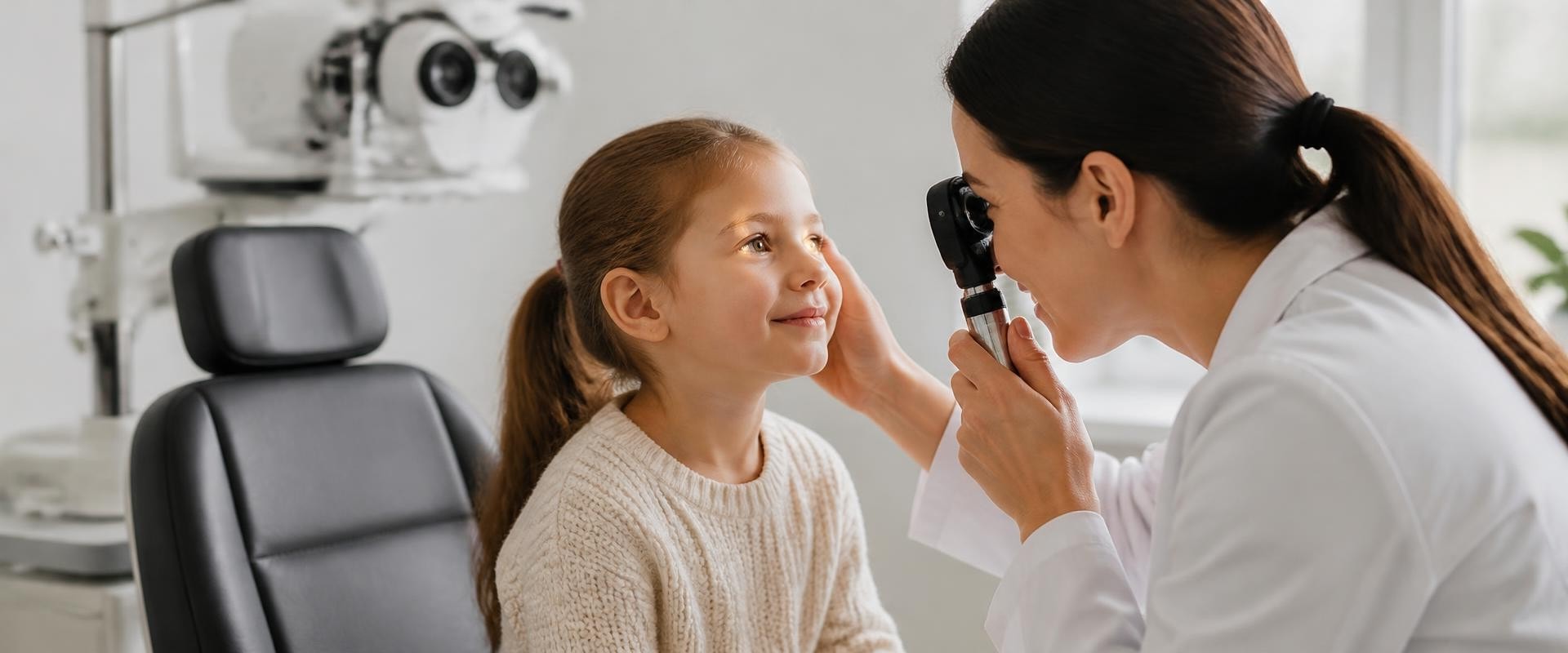
At The Pediatric Report, we understand that ensuring your child's health is a top priority for every parent. Among the essential components of pediatric care are vision and hearing testsvision and hearing tests, which play a crucial role in your child's overall development and well-being. As children grow, their sensory abilities significantly impact their learning, communication, and social interactions. Regular screenings can help identify potential issues early on, allowing for timely interventions that can make a world of difference. In this article, we will delve into the importance of these tests, what they entail, and how they fit into the broader scope of well-child visits. , which play a crucial role in your child's overall development and well-being. As children grow, their sensory abilities significantly impact their learning, communication, and social interactions. Regular screenings can help identify potential issues early on, allowing for timely interventions that can make a world of difference. In this article, we will delve into the importance of these tests, what they entail, and how they fit into the broader scope of well-child visits.
By familiarizing yourself with these essential screenings, you can take proactive steps to support your child's health and development. Join us as we explore why vision and hearing tests should be an integral part of your child's healthcare routine. Regular vision and hearing tests are critical components of a child's health and development, often conducted during well-child visits.
The Pediatric Report
aims to provide parents with essential information on how these screenings can help in early detection of potential issues, ensuring that children grow up healthy and able to thrive in their environments. Early identification of sensory problems can significantly impact a child's learning, social interactions, and overall well-being. The key components of vision tests include assessments of visual acuity, eye alignment, and color perception.Visual acuity tests determine how well a child can see at various distances, typically using charts with letters or symbols. Eye alignment checks evaluate whether the eyes work together properly, which is essential for depth perception and overall visual coordination. For younger children, alternative methods may be used, such as pictures or toys, to gauge their visual skills without requiring them to read. On the hearing side, common assessments include pure tone audiometry and speech audiometry. Pure tone audiometry involves presenting different sounds at various pitches and volumes to find the softest sounds a child can hear.
This test is crucial in identifying any hearing loss that could hinder language development and academic performance. Speech audiometry assesses a child's ability to understand and repeat words at different volume levels, providing insight into their auditory processing capabilities.
According to the American Academy of Pediatrics (AAP), vision screening should start at age 3 and continue periodically until age 18, while hearing screenings are recommended shortly after birth and again during early childhood. If results indicate potential issues, pediatricians can guide families on next steps, including referrals to specialists if necessary. Regular screenings can prevent more significant issues down the line, making them a worthwhile investment in a child's future. This can hinder their ability to express themselves clearly and can even impact their social interactions. The Pediatric Report emphasizes that early detection of hearing problems through routine screenings allows for timely intervention. Addressing hearing issues promptly can help ensure that children acquire necessary language skills during their formative years, thus supporting their educational journey and social integration. Regular check-ups during well-child visits should include hearing tests to help catch any potential issues before they escalate. By prioritizing hearing screenings, parents can take proactive steps in safeguarding their child's developmental milestones, ensuring they have the best opportunity for success in both communication and learning.Understanding Hearing Tests
Regular hearing screenings are crucial for children, as they play a significant role in their overall development.Hearing issues
can profoundly affect a child's speech and language development, leading to challenges in communication and learning. When a child has difficulty hearing, they may struggle to pick up on sounds, understand conversations, or mimic the speech patterns of those around them. Why Vision Tests Matter
Regular vision tests are a critical component of your child's health and development, as emphasized by The Pediatric Report. Early detection of vision problems can significantly affect learning and overall development.
Children who struggle with undiagnosed vision issues may face challenges in their academic performance and social interactions, which can lead to broader implications for their self-esteem and emotional well-being. Vision problems can hinder a child’s ability to read, participate in class activities, and engage with peers. For instance, conditions such as nearsightedness, farsightedness, or astigmatism can go unnoticed without routine screenings. These conditions often manifest as difficulty focusing on the blackboard or reading printed text, which can be mistaken for a lack of interest or motivation. Moreover, visual skills are vital for many aspects of learning, including understanding spatial relationships and developing fine motor skills. By identifying vision issues early through regular tests, parents can ensure that their children receive the appropriate interventions and support needed to thrive academically and socially.
Therefore, making vision tests a priority during well-child visits is essential for fostering a healthy learning environment. In summary, The Pediatric Report highlights that proactive vision screening plays an invaluable role in helping children reach their full potential in both educational settings and everyday life. Ensuring that your child undergoes routine vision assessments can lead to timely interventions that promote their overall health and development.
Communicating with Your Pediatrician
When it comes to your child's health, effective communication with your pediatrician is essential, especially regarding vision and hearing tests.The Pediatric Report
emphasizes the importance of parents being proactive advocates for their children's health. After your child undergoes these tests, it's crucial to discuss the results with your pediatrician thoroughly. Start by preparing for the conversation.Write down any questions or concerns you may have prior to the appointment. This ensures you cover all aspects and helps you remember any specific details that may be important. Don’t hesitate to ask about the implications of the test results—whether they indicate a need for further assessment or if they are within normal ranges. Additionally, be open about any observations you've made regarding your child's vision or hearing. Your insights can provide valuable context for the pediatrician.
If any follow-up tests or referrals are suggested, ask for clarification on what they entail and why they are necessary. Finally, consider scheduling a follow-up appointment if you feel uncertain about the information discussed.
The Pediatric Report
encourages parents to maintain an ongoing dialogue with their pediatrician to ensure their child's health is monitored effectively. Remember, advocating for your child's health means being informed and engaged in every step of their care journey.When Should These Tests Be Conducted?
Regular vision and hearing tests are crucial components of your child's health assessments, as highlighted by The Pediatric Report. These screenings are essential for identifying potential issues early, allowing for timely intervention and support.According to health guidelines, the timing of these tests is structured around key developmental milestones. For vision tests, it is recommended that children undergo their first evaluation at 6 months of age. This initial screening is followed by another at 3 years, and then again before they enter kindergarten. These early tests help to detect conditions such as amblyopia (lazy eye) or refractive errors that may affect learning. Hearing tests are equally important. Newborns are typically screened for hearing issues before they leave the hospital.
If initial tests indicate a potential problem, follow-up testing is recommended by 1 month of age. Subsequently, children should have their hearing evaluated at 3 years and again during their school years, particularly before kindergarten. Regular assessments can help catch any hearing impairments that could impact language development. By adhering to these guidelines, parents can ensure that their children receive the necessary screenings at appropriate ages, promoting optimal health and development. For further insights on maintaining your child's health through regular screenings, visit The Pediatric Report.
Preparing for Your Child's Screening
Preparing your child for vision and hearing tests is an important step in ensuring a smooth and successful experience.As part of The Pediatric Report initiative to provide parents with essential information on maintaining their children's health, it is crucial to approach these screenings with care and consideration. Here are some practical tips to help ease your child's anxiety and ensure they are ready for their tests. First, explain the process to your child in simple terms. Use age-appropriate language to describe what will happen during the tests. Let them know that they will be playing games or participating in activities that help the doctor understand how well they can see and hear.
This can help demystify the experience and reduce fear. Next, practice calming techniques together. Deep breathing exercises can be very effective. Teach your child to take slow, deep breaths, counting to three as they inhale through their nose and exhale through their mouth. Additionally, consider bringing along a comforting item, such as a favorite toy or blanket, to provide emotional support during the tests. It's also helpful to schedule the appointment at a time when your child is usually well-rested and not hungry.
A good mood can make a significant difference in how they handle the situation. When the day arrives, arrive early to allow your child to acclimate to the new environment. Take some time to explore the waiting area, which can also help distract them from any anxiety. Lastly, reassure your child that it’s perfectly normal to feel a little nervous before any appointment. Remind them that you will be there with them throughout the process.
By preparing effectively, you can help set the stage for a positive experience during their vision and hearing tests. Remember, these screenings are crucial for catching potential issues early and ensuring your child's health is on track. For more tips on navigating your child's health journey, stay connected with The Pediatric Report.
Preparing for Your Child's Screening
Preparing your child for vision and hearing tests is an essential step in ensuring a smooth experience during their well-child visit. At The Pediatric Report, we understand that parents want to make these assessments as stress-free as possible for their children. Here are some practical tips to help you prepare:1.Explain the Process: Start by explaining to your child what to expect during the tests.Use simple language and reassure them that the tests are quick and painless. If they know what will happen, they may feel more at ease.
2.Use Calming Techniques:
Consider practicing some calming techniques before the appointment. Deep breathing exercises or visualization can help reduce anxiety. For younger children, you might also consider using a favorite toy or book as a comfort item during the tests.3.Schedule Wisely:
Choose a time for the appointment when your child is usually well-rested and in a good mood.Avoid scheduling during nap times or right after meals, which might make them cranky.
4.Make it Fun:
Turn the screening into a fun activity by using games or stories that relate to seeing or hearing. This can help spark their interest and lessen any fears they might have about the tests.5.Stay Positive:
Maintain a positive attitude about the tests to help your child feel secure. Your calm demeanor can greatly influence how they perceive the experience. By following these tips, you can help your child approach their vision and hearing tests with confidence. Remember that regular screenings are crucial for early detection of potential issues, and The Pediatric Report is here to provide you with valuable resources and information for maintaining your child's health.Preparing for Your Child's Screening
Preparing your child for vision and hearing tests can help alleviate anxiety and ensure a smoother experience for everyone involved.The Pediatric Report emphasizes the importance of making these screenings a positive experience to promote your child's comfort and cooperation. Start by explaining to your child what will happen during the tests in simple and reassuring terms. Use age-appropriate language to describe the process, emphasizing that these tests are just a way to check how well they see and hear. You might say something like, 'The doctor will look at your eyes and ears to make sure everything is working properly.'In addition, consider practicing with some fun activities at home. For vision tests, you can play games that involve looking at pictures or shapes from a distance.
For hearing tests, you might take turns playing sounds or music at different volumes to demonstrate what they will experience. Calming techniques can also be beneficial. Deep breathing exercises can help your child relax before the appointment. Encourage them to take slow, deep breaths, counting to three as they inhale and exhale. You can also bring along a comforting item, like a favorite toy or blanket, to provide reassurance during the tests. Lastly, consider scheduling the appointment at a time when your child is well-rested and in a good mood.
Avoiding times when they might be hungry or tired can significantly impact their cooperation during the screening. Remember, The Pediatric Report aims to support parents in creating a supportive environment for their child's health assessments. In conclusion, regular vision and hearing tests are vital components of well-child visits, ensuring that potential issues are identified early and managed effectively. These screenings play a critical role in your child's overall health and development. By staying informed through resources like The Pediatric Report, parents are better equipped to make knowledgeable decisions regarding their children's health. It is essential to prioritize these tests as part of routine check-ups, fostering a proactive approach to childhood health care.