Pediatric report
Nurturing Social Skills in Early Childhood
Discover effective strategies for fostering social skills in early childhood, enhancing communication with pediatricians, and understanding the importance of well-child visits.
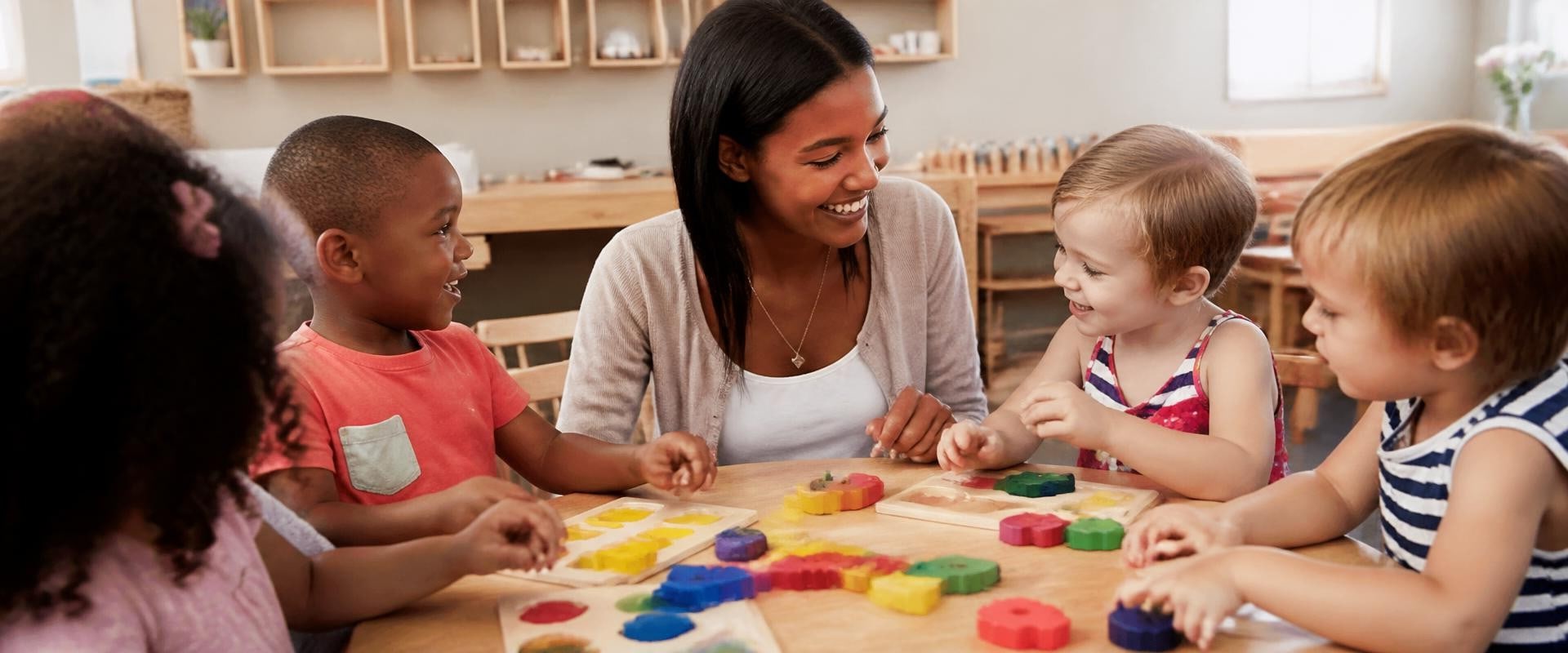
At The Pediatric Report, we understand that the early years of a child's life are crucial for their overall development, particularly when it comes to social skills. Nurturing social skills in early childhood is not just about teaching children to share or take turns; it lays the foundation for their future relationships, emotional health, and even academic success. As children begin to interact with peers, they experience a world filled with new emotions, challenges, and opportunities for connection. This period is essential for fostering communication, empathy, and resilience—all vital components of effective social interaction. , we understand that the early years of a child's life are crucial for their overall development, particularly when it comes to social skills. Nurturing social skills in early childhood is not just about teaching children to share or take turns; it lays the foundation for their future relationships, emotional health, and even academic success. As children begin to interact with peers, they experience a world filled with new emotions, challenges, and opportunities for connection. This period is essential for fostering communication, empathy, and resilience—all vital components of effective social interaction.
Parents play a pivotal role in this developmental phase, guiding their little ones through the intricacies of social norms and behaviors. Through everyday interactions, structured playdates, and even simple conversations at home, children learn how to express themselves, understand others' feelings, and navigate the complex landscape of friendships. In this article, we will explore various strategies and activities that parents can employ to support their children's social development during these formative years. By prioritizing social skills in early childhood, we can help our children build a solid foundation for a healthy emotional life and successful relationships in the future.
As we delve deeper into this topic, remember that while resources like The Pediatric Report can provide valuable insights, it's always important to consult with a licensed pediatrician regarding your child's unique developmental needs. In today's fast-paced world, building social skills in early childhood is more important than ever. Parents seeking guidance on pediatric health topics will find valuable insights in is more important than ever. Parents seeking guidance on pediatric health topics will find valuable insights in The Pediatric Report, which explores how social skills impact children's overall development and well-being. Developing these skills early on lays the foundation for a child's future interactions with peers and adults, ultimately influencing their emotional intelligence, empathy, and effective communication.
Social skills
encompass a variety of abilities that allow children to communicate and interact effectively. Emotional intelligence is a key component, enabling kids to recognize their own feelings and those of others.This understanding fosters empathy, which is crucial for forming meaningful relationships. For instance, when a child shares their toys or comforts a friend who is upset, they are practicing empathy and learning how to navigate social situations. Effective communication, both verbal and non-verbal, also plays a critical role in helping children express their thoughts and feelings clearly. To promote these essential social skills, parents can engage their children in various activities. Group playdates are an excellent way for children to practice interacting with peers in a relaxed environment.
During these playdates, kids can learn turn-taking, sharing, and cooperation as they play games together. Cooperative games, such as team sports or group puzzles, further encourage teamwork and communication among children. Additionally, role-playing scenarios allow kids to act out different social situations, helping them develop problem-solving skills and learn appropriate responses. The role of parents and caregivers in this process cannot be overstated. By modeling positive social behavior, adults provide children with examples of how to interact effectively with others.
When parents demonstrate kindness, active listening, and conflict resolution in their own interactions, children are more likely to emulate these behaviors. Moreover, creating opportunities for children to engage with others—whether through community events, playgroups, or family gatherings—can significantly enhance their social experiences. Regular well-child visits are also crucial for tracking a child's When parents demonstrate kindness, active listening, and conflict resolution in their own interactions, children are more likely to emulate these behaviors. Moreover, creating opportunities for children to engage with others—whether through community events, playgroups, or family gatherings—can significantly enhance their social experiences. Regular well-child visits are also crucial for tracking a child's social development. During these visits, pediatricians can assess various aspects of a child's growth and development, including their social skills. Parents are encouraged to discuss any concerns regarding their child's interactions with peers or adults during these appointments.
Pediatricians can offer guidance on promoting healthy social development and address any specific challenges that may arise. Vaccinations play an essential role in ensuring a child's health as well. By keeping up with immunizations, parents can help protect their children from illnesses that could hinder their ability to participate in social activities freely. A healthy child is more likely to engage in group activities and build friendships without the interruptions caused by illness. It is also important to acknowledge that some children may face challenges when developing social skills. Factors such as shyness or conditions like autism spectrum disorders can impact a child's ability to connect with others.
Parents should be aware of these challenges and consider seeking professional guidance if they notice persistent difficulties in their child's social interactions. Early intervention programs and therapies can provide tailored support to help children navigate their unique social landscapes. In conclusion, fostering social skills in early childhood is vital for children's overall development. By engaging in meaningful activities, modeling positive behaviors, attending regular well-child visits, and addressing potential challenges proactively, parents can play an instrumental role in their child's social growth. For more insights on pediatric health topics and support for parents navigating these critical years, The Pediatric Report offers valuable resources that can aid in understanding and promoting a child's well-being.
Addressing Challenges
Recognizing and addressing difficulties in social skill development is crucial for fostering healthy relationships and emotional well-being in children.Building social skills in early childhood can sometimes be hindered by various factors, including shyness, language delays, or environmental influences. Parents can play a significant role in identifying these challenges early on. Through resources like The Pediatric Report, caregivers can gain insights into the indicators of social skill difficulties, such as reluctance to engage with peers or struggles in sharing and taking turns. Once challenges are recognized, it becomes essential to implement supportive strategies tailored to the child's unique needs. For instance, creating structured playdates can provide opportunities for practice in a controlled setting.
Parents can also encourage role-playing scenarios at home, which can help children navigate social interactions in a safe environment. Additionally, consistent feedback and reinforcement can build confidence, allowing children to feel more secure in their social abilities. Furthermore, understanding that every child develops at their own pace is vital. Some may require additional support through guided activities or even professional interventions if needed. Resources available through The Pediatric Report can assist parents in determining when it might be beneficial to seek further help, ensuring that children have the tools they need to thrive socially as they grow.
The Importance of Social Skills
Social skills are fundamental building blocks in a child's development, serving as a foundation for future relationships and success.In today’s interconnected world, the ability to communicate effectively, collaborate with peers, and navigate social situations is more crucial than ever. According to insights shared by The Pediatric Report, children who develop strong social skills early on are better equipped to handle challenges throughout their lives, both personally and professionally. Children learn social skills through interactions with family, friends, and their environment. These skills include empathy, cooperation, and conflict resolution, which play a significant role in their emotional and social development. When children can express their feelings and understand those of others, they are more likely to form healthy relationships and adapt well in various settings, including school and later workplaces. The impact of social skills extends beyond childhood; research indicates that strong interpersonal skills correlate with better academic performance, higher self-esteem, and improved mental health.
Children who struggle with social interactions may face difficulties in forming friendships and may experience feelings of isolation or anxiety. Therefore, nurturing these skills during early childhood is essential for fostering resilience and ensuring long-term emotional well-being. As parents look for ways to support their child's growth, engaging in activities that promote social interaction can be incredibly beneficial. By creating opportunities for children to practice sharing, taking turns, and resolving conflicts in a supportive environment, parents can help lay the groundwork for successful future interactions. For further guidance on promoting social skills in your child, refer to the valuable insights provided by The Pediatric Report.
Role of Pediatricians
Pediatricians play a crucial role in monitoring and supporting children's social development during well-child visits.As trusted health professionals, they provide parents with valuable insights on how to foster social skills in early childhood.
The Pediatric Report
emphasizes the importance of these visits not only for physical health but also for assessing emotional and social growth. During well-child visits, pediatricians often use standardized developmental screening tools to evaluate various aspects of a child's development, including their ability to interact with peers, communicate needs, and understand social cues. By identifying any potential delays or challenges in these areas early on, pediatricians can guide parents towards effective interventions and resources. Moreover, pediatricians can offer tailored advice on fostering social skills at home. They may recommend activities that promote interaction, such as playdates or group classes, which provide children with opportunities to practice their social skills in a supportive environment.Additionally, pediatricians can address any parental concerns about their child's behavior or social interactions, offering reassurance and strategies to enhance positive social experiences. Incorporating discussions about social development into routine check-ups reinforces its significance as part of overall child health. By collaborating with parents, pediatricians help create a nurturing environment that supports children in developing essential social skills during these formative years. Resources such as The Pediatric Report can further empower parents with information and strategies to reinforce their child's social growth.
Strategies for Parents
Building social skills in early childhood is essential for a child's overall development, and The Pediatric Report offers valuable insights for parents looking to enhance these abilities. Here are some actionable tips that parents can implement to foster their child's social skills:1.Encourage Playdates: Organizing playdates with peers provides children with the opportunity to interact and practice their social skills in a safe environment.These interactions help children learn how to share, take turns, and resolve conflicts.
2.Model Positive Social Behavior:
Children often imitate the behavior of adults. By demonstrating positive social interactions—such as greeting neighbors, expressing gratitude, or showing empathy—parents can provide a real-life example for their children to follow.3.Teach Empathy:
Helping children understand the feelings of others is crucial for developing social skills. Parents can engage in discussions about emotions and ask questions like, "How do you think your friend felt when that happened?" This encourages children to consider perspectives other than their own.4.Use Role-Playing Activities:
Role-playing different social scenarios can be an effective way for children to practice their responses in various situations. This technique can help them navigate friendships, share toys, or deal with disagreements.5.Read Books About Social Skills:
There are many children's books that address themes of friendship, kindness, and cooperation.Reading these stories together allows parents to discuss important social concepts and encourages children to think about how they interact with others.
6.Praise Positive Interactions:
Recognizing and praising your child's efforts when they display good social behavior reinforces those actions. Positive reinforcement encourages them to continue developing their social skills.7.Set Up Group Activities:
Involving children in group activities such as team sports, art classes, or group games can help them learn how to cooperate and communicate effectively with others. By incorporating these strategies into daily routines, parents can significantly support their child's social growth during these formative years. For more insights on childhood development and health topics, explore more articles on The Pediatric Report.In conclusion, nurturing social skills in early childhood is a vital component of a child's overall growth and development. Throughout this article, we have highlighted the importance of social skills, shared effective strategies for parents, discussed the role of pediatricians, and addressed common challenges that may arise.By actively engaging in their child's social development, parents can create a supportive environment that encourages healthy relationships and emotional well-being. We encourage parents to utilize The Pediatric Report as a valuable resource for navigating various pediatric health topics and to maintain open communication with their pediatrician. This partnership is essential for addressing any concerns related to their child's growth and ensuring they thrive socially and emotionally.